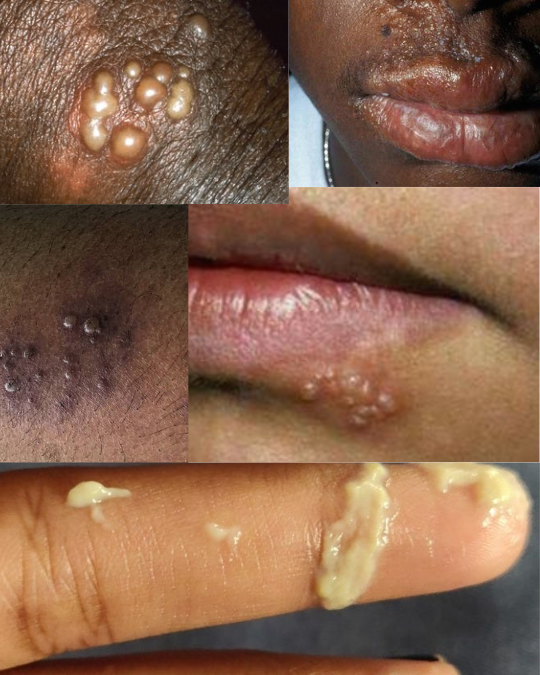
Herpes
Herpes viruses are divided into three groups: a) a herpesviruses b) herpes simplex virus types 1 and 2c)varicella-zoster virus which has a short replicative cycle, induce cytopathology in monolayer cell cultures, and have a broad host range; herpesviruses, cytomegalovirus, and human herpesviruses 6 and 7, with a long replicative cycle and restricted host range; and herpesviruses, Epstein-Barr virus and human herpesvirus 8, with a very restricted host range.The most common type of herpesvirus is the Herpes Simplex Virus 1&2.
Symptoms
Feverish sensation, Small red bumps, blisters (vesicles) or open sores (ulcers) in the genital and anal areas and areas nearby
Pain or itching around the genital area, buttocks and inner thighs, Urethra discharge in men and women, UTI
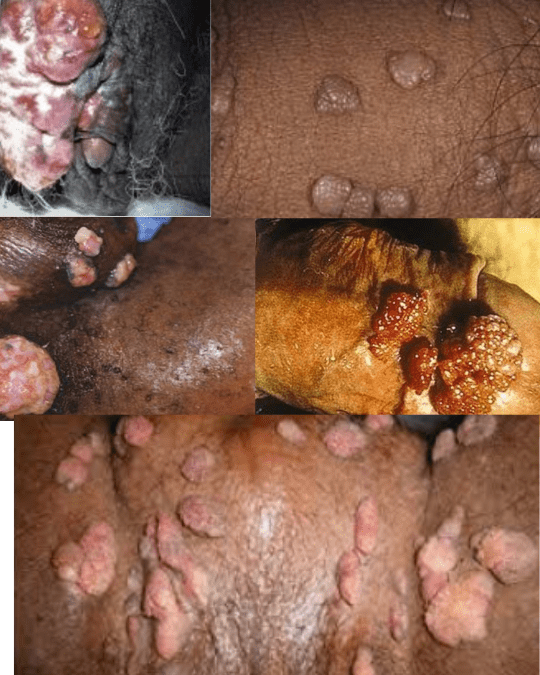
Human Papilloma Virus (HPV)
There are many types of human papillomavirus (HPV), which are classified as low risk or high risk. Low-risk HPV types HPV 6, HPV 11, HPV 42, HPV 43, and HPV 44. High-risk HPV types HPV 16, HPV 18, HPV 31, HPV 33, HPV 34, HPV 35, HPV 39, HPV 45, HPV 51, and HPV 52.HPV types that infect the genital and anal areas are different from those that infect other parts of the body.
Symptoms
Small, flesh-colored or gray swellings in your genital areaSeveral warts close together that take on a cauliflower shape,warts on the hands and feet, as well as plantar warts on the soles of the feet. Respiratory papillomatosis,warts in the larynx or respiratory tract, which can lead to breathing problems. Genital Itching or discomfortBleeding with intercourseHPV can cause cervical, penile, anal, vaginal, vulvar, mouth, and throat cancers. HPV 16 and HPV 18 are responsible for most HPV-related cancers.
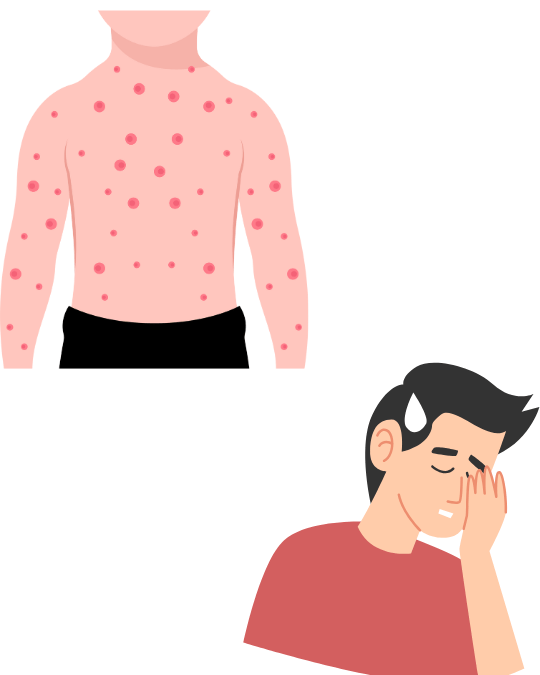
Syphilis
Syphilis is a Bacterial infection which is commonly spread through sexual contact. The disease starts as a sore that’s often painless and typically appears on the genitals, rectum or mouth. Syphilis spreads from person to person through direct contact with these sores. It also can be passed to a baby during pregnancy and childbirth and sometimes through breastfeeding.
Symptoms
Rash marked by red or reddish-brown, penny-sized sores over any area of your body, including your palms and solesFeverEnlarged lymph nodesFatigue and a vague feeling of discomfortSoreness and aching
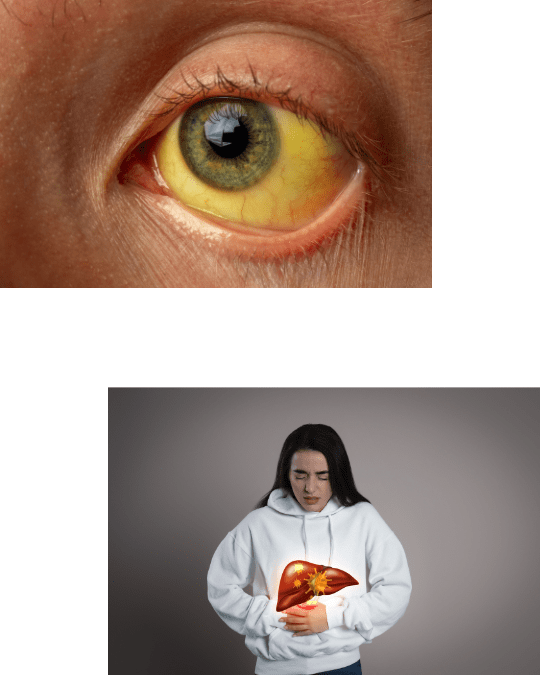
Hepatitis
Hepatitis is an inflammation of the liver that is caused by a variety of infectious viruses and noninfectious agents that lead to a range of health problems, some of which can be fatal. There are five main strains of the hepatitis virus, referred to as types A, B, C, D and E. types B and C lead to chronic disease in hundreds of millions of people and together are the most common cause of liver cirrhosis, liver cancer and viral hepatitis-related deaths. It is estimated that 354 million people worldwide live with hepatitis B or C, and unfortunately, testing and treatment remain beyond reach for most people.
Symptoms
FatigueNausea and vomitingAbdominal pain or discomfort, especially in the area of your liver on your right side beneath your lower ribsLoss of appetiteFeverDark urineMuscle or joint painItching jaundice.
Chlamydia
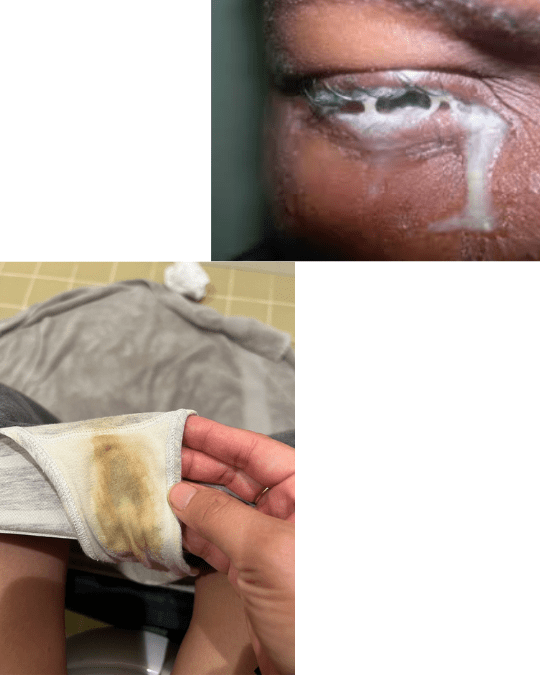
Chlamydia is one of the most common sexually transmitted diseases in the U.S. This bacteria infection is easily spread since it often shows no symptoms in its carriers. You can easily pass chlamydia to sexual partners without knowing it. It is estimated that atleast 75% of people with vaginas and 50% of people with penises have no symptoms. However, if left untreated, chlamydia can cause serious complications.
Symptoms
Painful urination, Lower abdominal pain, Vaginal discharge in women, Discharge from the penis in men, Discharge from the eyes, Pain during sexual intercourse in women, Bleeding between periods in women, Testicular pain in men.
Gonorrhea
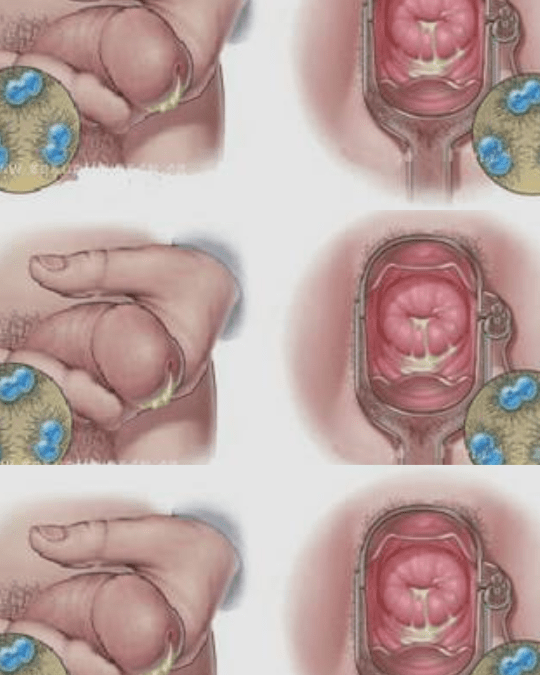
Gonorrhoea is a sexually transmitted infection (STI) passed on through unprotected sex (sex without a condom). Most people who are carriers og gonorrhea have no symptoms.
Symptoms
Thick, cloudy or bloody discharge from the penis or vaginaPain or burning sensation when urinatingHeavy menstrual bleeding or bleeding between periodsPainful, swollen testiclesPainful bowel movementsAnal itching.
Candidiasis
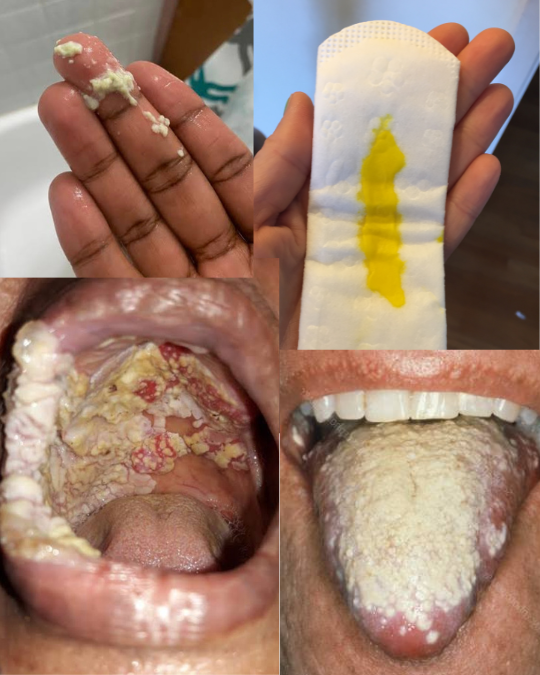
Candidiasis is a fungal infection due to any species of the genus Candida (a yeast).Symptoms of candidiasis depend on what part of the body is infected. When it affects the mouth, in some countries it is commonly called thrushes. When it affects the vagina, it may be referred to as a yeast infection or thrush. Discharge from Yeast infections of the penis are less common and typically present with an itchy rash.Very rarely, yeast infections may become invasive, spreading to other parts of the body. This may result in fevers, among other symptoms.
Symptoms
Vaginal itching or sorenessPain during sexual intercoursePain or discomfort when urinatingAbnormal vaginal dischargeVaginal candidiasis is often mild. However, some women can develop severe infections involving redness, swelling, and cracks in the wall of the vagina.White patches on inner cheeks, tongue, roof of the mouth, and throat.Redness or sorenessCotton-like feeling in the mouthLoss of tastePain while eating or swallowingCracking and redness at the corners of the mouthSymptoms of candidiasis of the esophagus include pain and difficulty swallowing. Most people who get candidiasis of the esophagus also have mouth and throat infections.Most people are not at risk for invasive candidiasis, including candidemia (bloodstream infections). People who develop invasive candidiasis are often already sick from other medical conditions, so it can be difficult to know which symptoms are related to a Candida infection.The most common symptoms of invasive candidiasis are fever and chills that don’t improve after antibiotic treatment for suspected bacterial infections.Other symptoms can develop if the infection spreads to other parts of the body, such as the heart, brain, eyes, bones, or joints.

Trichomoniasis
Trichomoniasis is a common sexually transmitted infection caused by a parasite. In women, trichomoniasis can cause a foul-smelling vaginal discharge, genital itching and painful urination.Men who have trichomoniasis typically have no symptoms. Pregnant women who have trichomoniasis might be at higher risk of delivering their babies prematurely.
Symptoms
Clear, white, greenish or yellowish vaginal dischargeDischarge from the penisStrong vaginal odorVaginal itching or irritationItching or irritation inside the penisPain during sexual intercoursePainful urination
Staphylococcus/Streptococcus
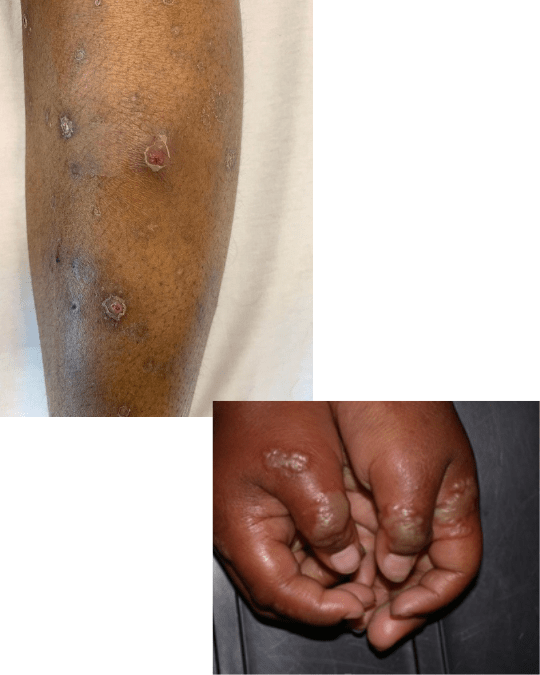
Staphylococcus Aureus/Streptococcus bacteria are spread by having direct contact with an infected person, by using a contaminated object, or by inhaling infected droplets dispersed by sneezing or coughing.Skin infections are common signs of it’s existence in your body. However, the bacteria can spread through the bloodstream and infect your organs.Thoroughly washing the hands can help prevent spread of infection.WHY STAPH IS RESISTANT TO ANTIBIOTICS:Many strains of Staph have developed resistance to the effects of antibiotics. If carriers take antibiotics, the antibiotics kill the strains that are not resistant, leaving mainly the resistant strains. These bacteria may then multiply, and if they cause infection, the infection is more difficult to treat.
Symptoms
Blisters, osteomyelitis, abscesses, Breast Infection, pneumonia, Endocarditis, redness and swelling in the infected areas of your body.
Pelvic Inflammatory Disease
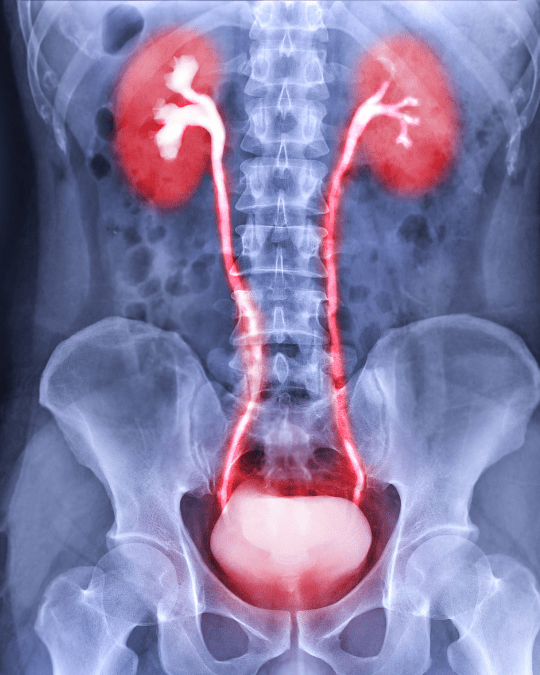
Pelvic inflammatory disease (PID) is what happens when bacteria invades a woman’s reproductive organs. These bacteria move from the vagina, through the cervix into the uterus, fallopian tubes and ovaries, and then the pelvis._ The cervix has the role of keeping bacteria that enters the vagina from spreading deeper to other reproductive organs, But when the cervix is infected from gonorrhea and/or chlamydia it might not be able to keep the bacteria out._PID can be quite painful as it makes it difficult for a woman to get pregnant in the future. Its also known to cause tubovarian abscess (TOA) In the pelvis which, if untreated can make women very sick._A large number of ectopic pregnancies are as the result of PID. An ectopic pregnancy is when the baby starts to develop outside the uterus, most commonly in the fallopian tube.
Symptoms
Pain or tenderness in the stomach or lower abdomen (belly).Abnormal vaginal discharge, usually yellow or green with an unusual odor.Chills or fever.Nausea and vomiting.Pain during sex.Burning when you pee.Irregular periods or having spotting or cramping throughout the month.Pain in the right upper abdomen.
Urinary Tract Infection
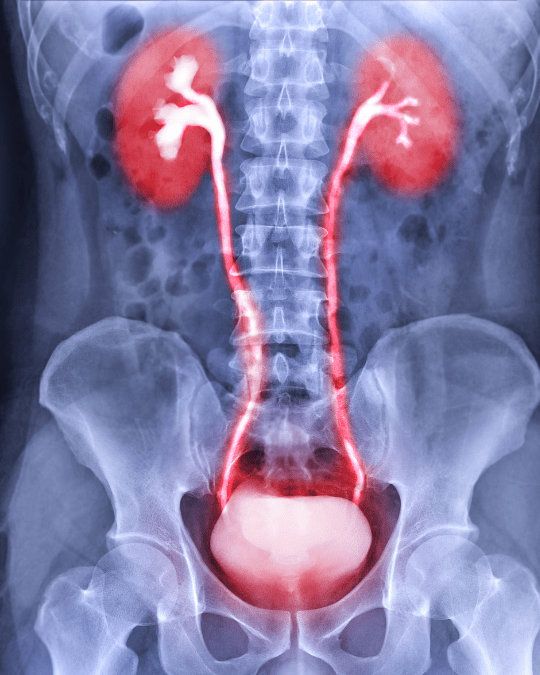
A urinary tract infection is a very common type of bacteria infection in the urinary system. It can involve any part of your urinary system which are the Urethra (urethritis).Kidneys (pyelonephritis).Bladder (cystitis). Urine (pee) is a byproduct of the blood-filtering system, which the kidneys perform. The kidneys create pee when they remove waste products and excess water from the blood. Pee usually moves through the urinary system without any contamination. However, bacteria can get into the urinary system, which can cause UTIs.
Symptoms
Pain in your flank, abdomen, pelvic area or lower back.Pressure in the lower part of your pelvis.Cloudy, foul-smelling pee.Urinary incontinence.Frequent urination.Urge incontinence.Pain when you pee (dysuria).Blood in your pee (hematuria).Other UTI-associated symptoms may include:Pain in your penis.Feeling extremely tired (fatigue).Fever.Chills.Nausea and vomiting.Mental changes or confusion.


 Clofton Global Organics